
Published February 11, 2026
Buying a Farm in Alabama: What You Need to Know Before You Purchase Land
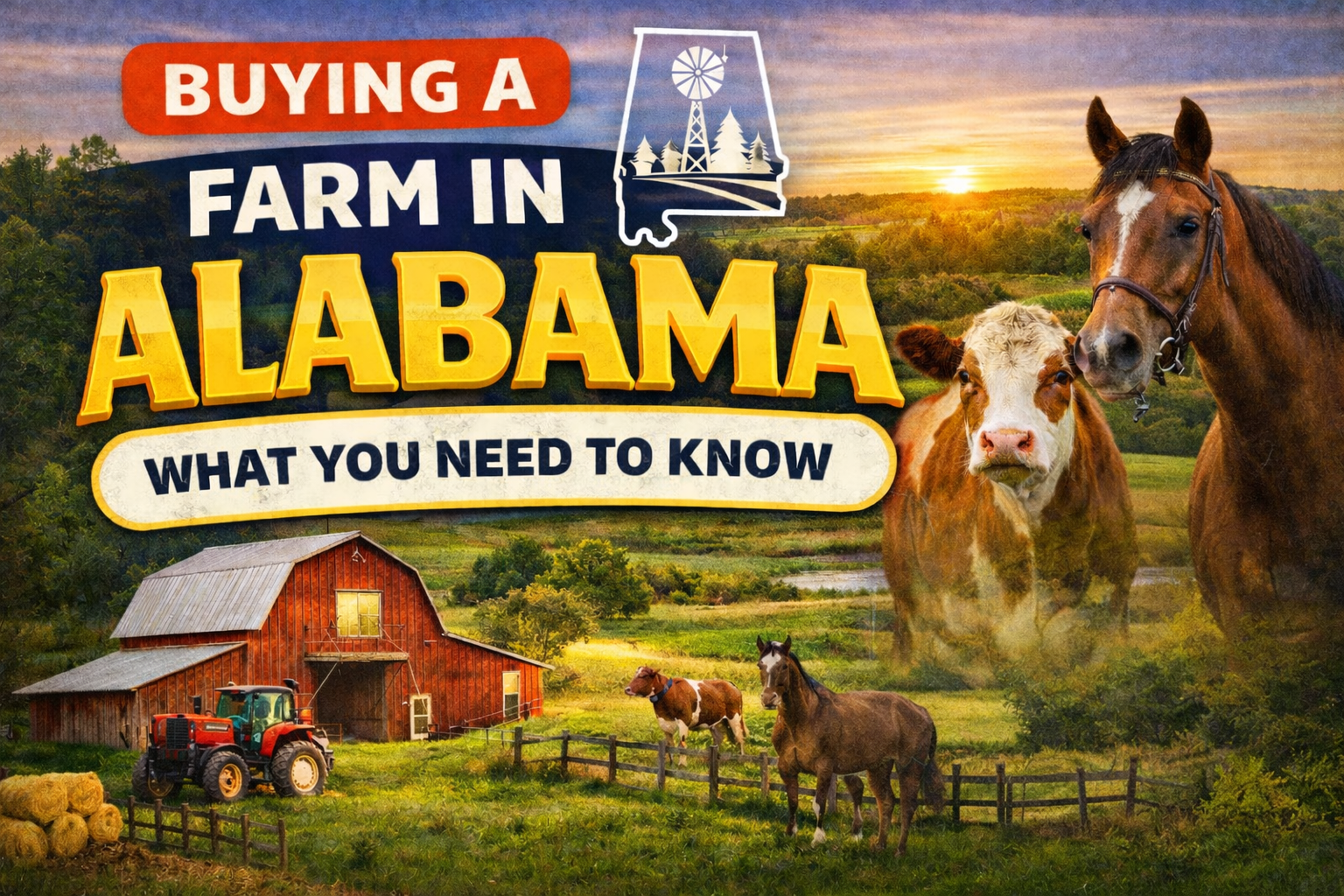
If you’ve ever dreamed of owning a farm in Alabama—whether it’s a few acres for privacy, a full working cattle operation, or a property with barns and riding trails—you’re not alone. Alabama is one of the best states in the Southeast for buying land, thanks to its affordable acreage, rich soil, and rural lifestyle opportunities.
But buying a farm is very different from buying a traditional home in town.
At Inspired Realty Group, we help buyers across Walker County, Jefferson County, Cullman County, Blount County, and the Smith Lake region find the right farm property while avoiding expensive surprises. If you’re considering buying a farm in Alabama, here are the most important things to know before you buy.
Click to Watch YouTube Short Here
https://youtube.com/shorts/UVlQ3TMKifQ?si=1f1HoUFR5arPtsYT
1. Define What “Farm” Means to You
Not every farm property is the same. Before you start touring land, it helps to define what your ideal farm looks like.
Ask yourself:
-
Do you want a working farm or recreational land?
-
Will you raise cattle, horses, goats, or chickens?
-
Do you need a barn, fencing, pasture, or pond?
-
Do you want tillable land for crops or hay production?
-
Are you looking for a farmhouse or land only?
-
Do you need space for a future build site?
Many buyers start with a general idea like “I want acreage,” but narrowing your goals will help you find the right property faster—and avoid buying land that doesn’t match your lifestyle.
2. Understand Land Types: Pasture, Timber, and Mixed-Use
One of the biggest differences between buying a farm and buying a house is understanding what the land itself is made of.
Common Alabama farm land types include:
Pasture Land
Pasture is open and usually already cleared—perfect for livestock. It’s also typically more expensive per acre because it’s immediately usable.
Timberland
Timber acreage can be valuable, but it may require clearing before it becomes usable for animals or farming. Timberland may also have logging roads and hunting value.
Mixed-Use Land
Many Alabama farms have a combination of pasture, woods, and water features. Mixed-use properties are often ideal for buyers who want livestock and privacy.
A good land-focused Realtor can help you determine whether a property will support your goals long-term.
3. Check Water Sources: Ponds, Creeks, and Wells
Water is one of the most important farm features—and also one of the most overlooked.
When buying a farm in Alabama, you’ll want to confirm:
-
Does the property have a working well?
-
Is there a pond and does it hold water year-round?
-
Is there a creek or spring-fed water source?
-
Is the water source reliable during dry seasons?
-
Is the water accessible to animals?
If a property doesn’t have a well or city water access, you’ll need to factor in the cost of drilling a well, which can vary widely depending on the land and location.
4. Review Access and Road Frontage
Some farm listings advertise large acreage, but access may be limited.
Before you purchase, confirm:
-
Does the property have legal road frontage?
-
Is there an easement?
-
Is the driveway passable in all weather?
-
Is there access for equipment, trailers, and livestock?
This is especially important in areas like rural Walker County, Blount County, and parts of Cullman County, where land parcels may have long private roads or shared easements.
5. Verify Property Boundaries and Survey Information
Farm properties often have unclear boundaries, older fences, or outdated parcel lines.
We strongly recommend:
-
Getting an updated survey
-
Walking the property if possible
-
Verifying corners and boundary markers
-
Confirming acreage matches tax records and the deed
A fence line does not always equal a true property line, especially on older Alabama farm tracts.
6. Investigate Soil Quality and Land Use Potential
If you plan to farm crops, build pastures, or plant orchards, soil matters.
Even if you aren’t farming commercially, you’ll still want to know:
-
Is the land prone to flooding?
-
Does it drain well?
-
Is the land mostly rocky or workable?
-
Is it suitable for hay production?
-
Is it good for horses (flat vs steep)?
Some land looks beautiful but may be difficult to use for agriculture without major improvements.
7. Consider Fencing, Barns, and Farm Infrastructure
Many buyers love the idea of a “move-in ready farm,” but farm infrastructure can be expensive to repair or replace.
Before purchasing, inspect:
-
Fence condition (woven wire, barbed wire, electric fencing)
-
Gates and access points
-
Barn structure and roofing
-
Hay storage options
-
Existing pens, corrals, and stalls
-
Condition of any outbuildings
A property with good fencing and barns can save you tens of thousands of dollars—if they’re in good shape.
8. Check Zoning, Restrictions, and Agricultural Use
Some properties may look rural but still have restrictions.
You’ll want to ask:
-
Is the land zoned agricultural?
-
Are there HOA restrictions?
-
Are there deed restrictions on livestock or building?
-
Is it located in a floodplain?
-
Are there conservation easements?
If you’re buying near developing areas like Jefferson County or high-growth corridors, zoning and restrictions can make a major difference in what you’re allowed to do with the property.
9. Understand Farm Financing Options in Alabama
Financing a farm is not always as simple as getting a standard mortgage.
Depending on the property, you may need:
-
Conventional loan (if there is a livable home)
-
Land loan
-
Farm credit financing
-
USDA rural loan (in some situations)
Lenders often look at:
-
Percentage of land that is usable
-
Whether the home qualifies as primary residence
-
Condition of the farmhouse
-
Appraisal challenges for unique properties
Farm purchases sometimes require larger down payments, so it’s smart to talk to a lender early before falling in love with a property.
10. Don’t Underestimate the Cost of Land Improvements
Buying the farm is only the beginning.
Many Alabama farm buyers eventually invest in:
-
Clearing and grading
-
New fencing
-
Driveway improvements
-
Pasture seeding
-
Pond dredging
-
Barn upgrades
-
Utilities (power, water, septic)
These upgrades can add up quickly, so a realistic plan and budget are essential.
Why Alabama Is a Great State for Farm Buyers
Alabama remains one of the most attractive states in the Southeast for land ownership because of:
-
Lower cost per acre compared to surrounding states
-
Long growing season
-
Strong hunting and recreational value
-
Affordable rural living
-
Abundant timber and mixed-use property options
Whether you're looking for a horse farm near Jasper, pasture land in Cullman County, or acreage near Smith Lake with views and privacy, Alabama offers a wide range of farm opportunities.
Work With a Local Farm and Land Real Estate Expert
Farm and land purchases require a Realtor who understands more than square footage and countertops. You need someone who can help you evaluate:
-
land layout and topography
-
utility access
-
future building potential
-
boundary concerns
-
comps for acreage and rural property values
At Inspired Realty Group, we specialize in helping buyers and sellers navigate rural land, farms, and acreage properties throughout Central Alabama.
If you're thinking about buying a farm in Alabama, we’d love to help you find the right one—and make sure you’re protected every step of the way.
Ready to Buy a Farm in Alabama?
If you’re ready to start your search for a farm, acreage, or rural home in Alabama, contact Inspired Realty Group today. We can help you narrow down your goals, find the right property, and negotiate the best deal with confidence.
📍 Serving Walker County, Jefferson County, Cullman County, Blount County, and the Smith Lake region
📞 Call or message us today to start your farm search!
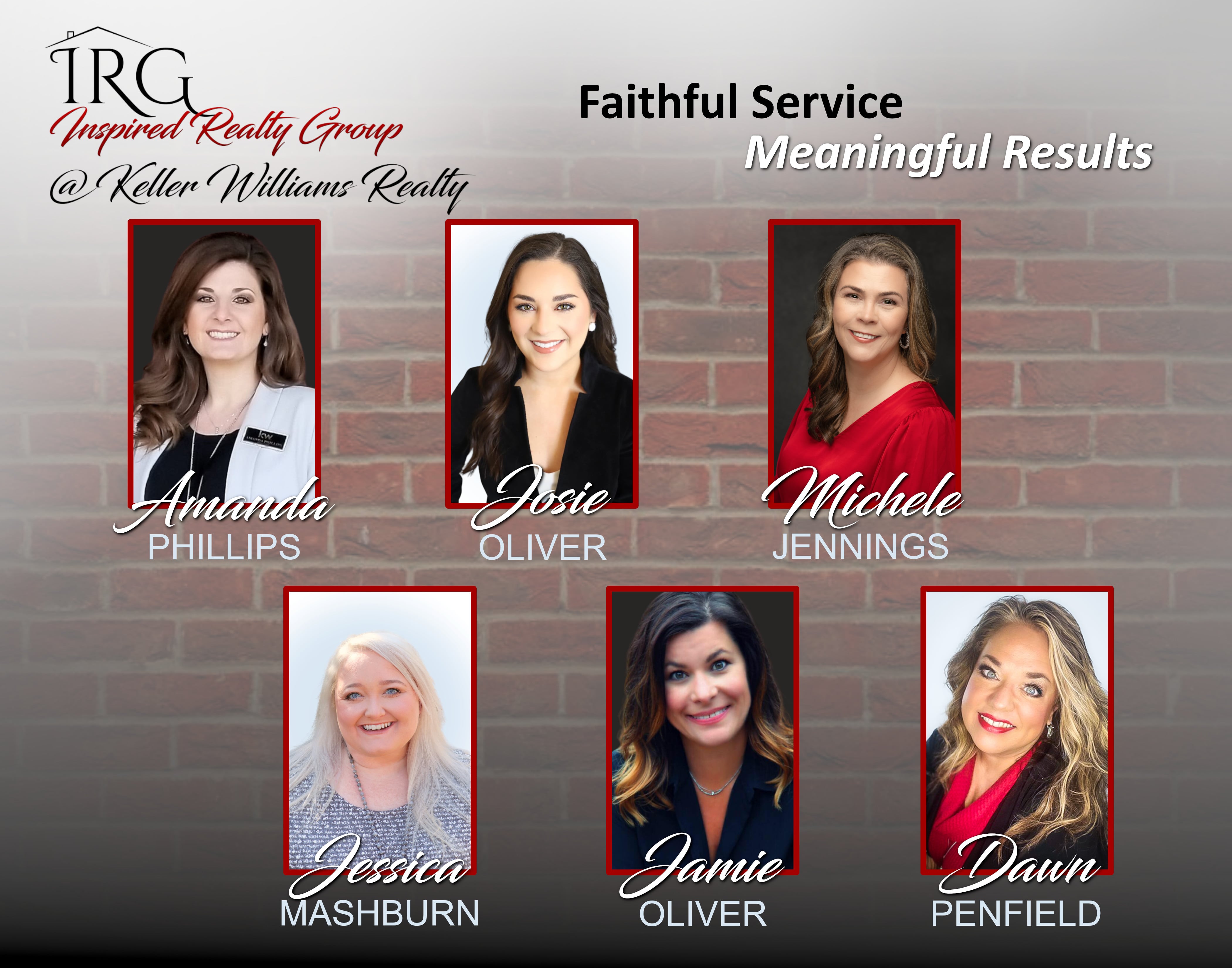
Inspired Realty Group
Team Leader | Inspired Realty Group | Keller Williams
or another way